
Hair shedding in the shower: what is normal?
What everyday shedding means, when a change needs assessment and how to wash your hair gently.

Published: 30 October 2026
Updated: 30 October 2026
Contents
- How much shedding is normal?
- Why washing makes loose hair visible
- Shedding or breakage?
- When the pattern suggests more than ordinary shedding
- Recent illness, stress and changes in health
- Changes in diet, weight and medicines
- Can shampoo cause the problem?
- A gentler washing and drying routine
- How to record a change without counting every hair
- What happens at an assessment?
- Treatment depends on the cause
- Questions and answers
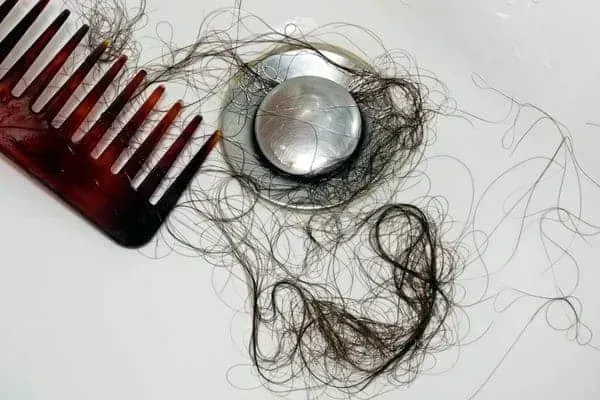
Finding hair around the shower drain is not, by itself, a sign that you are going bald. Some shedding is part of the normal hair cycle, and washing makes loose hairs easier to see. What matters is whether the amount has changed from your usual pattern, whether the scalp feels healthy and whether your hair is becoming visibly thinner.
A sudden increase should not be ignored, but counting every strand after one wash rarely gives a reliable answer. Think about the last few weeks or months: how often you wash, how you style your hair, recent illness, medicines and any change in overall density. Those details are more useful at an assessment than a photograph of a single clump.
How much shedding is normal?
The NHS hair-loss information gives a general daily range of around 50 to 100 hairs. That is a broad description, not a shower target or a diagnostic cut-off. You will not collect every shed hair, and the amount you see at one wash depends on your routine.
Someone who washes less often may notice more loose hair at each wash than someone who washes daily. Hair length also changes how dramatic the same number of strands looks. A small amount of long hair can form a sizeable-looking bundle when wet.
Use your usual experience as a starting point. If the amount is consistently different, the parting looks wider or you notice bald patches, arrange advice rather than trying to prove that you have crossed a numerical threshold. You can be concerned enough to seek help without producing a daily count.
Why washing makes loose hair visible
During washing, your hands move through the hair and the water carries loose strands towards the drain. Conditioner, detangling and drying can reveal more. The fact that hair becomes visible during this process does not establish that washing caused it to leave the follicle.
This distinction matters because some people respond by avoiding washing altogether. That may postpone the moment when loose hairs are noticed, but it does not explain or treat the underlying change. It can also make the next wash seem alarming because several days' loose hair may be released together.
Aim for a routine that suits your scalp and hair rather than one designed to keep every strand out of sight. If washing has become distressing, tell the clinician. The emotional impact deserves attention alongside the physical assessment.
Shedding or breakage?
A whole shed hair and a broken piece of hair are different observations. Breakage may leave shorter pieces of varying lengths, particularly where the hair has been repeatedly pulled, heated or chemically processed. Increased shedding may involve more long strands coming away.
You do not need to diagnose the difference yourself. Explain what you have noticed and whether your routine has changed. Recent bleaching, extensions, tighter hairstyles or more frequent heat styling are useful details to mention, without assuming that one of them must be responsible.
If the scalp is painful, inflamed or covered in persistent scale, include that too. Hair condition and scalp condition should be assessed together. Our guide to looking after scalp health explains why an uncomfortable scalp may need more than a different cosmetic shampoo.
When the pattern suggests more than ordinary shedding
Look beyond the drain. Is your parting widening? Are the temples changing? Is one area thinner than the rest? Do you have distinct patches or changes in the eyebrows? These observations can be more informative than the size of the bundle after washing.
Gradual patterned thinning and a sudden increase in shedding do not necessarily have the same cause. They can also occur together. If the hair has been slowly changing for years but the shower shedding is new, explain both histories instead of treating them as one recent event.
Do not wait until photographs look severe. A GP can assess a concern about hair loss and decide whether further investigation or specialist advice is needed. The purpose of an early appointment is to clarify the problem, not to commit you to medication or a procedure.
Recent illness, stress and changes in health
Hair shedding can become noticeable after a significant health event, sometimes with a delay. That means the relevant history may extend further back than the week in which you first became worried.
The British Association of Dermatologists' information on telogen effluvium describes one cause of increased shedding following a disturbance of the hair cycle. A clinician considers the history and scalp appearance before deciding whether that description fits.
Our article on stress-related hair shedding discusses this timing in more detail. Stress should not be used as a dismissive explanation for every hair concern. The question is whether the whole picture supports it and whether another process needs checking as well.
Changes in diet, weight and medicines
Tell the clinician about substantial weight changes, a restricted diet or difficulty eating regularly. Include pregnancy or childbirth where relevant, and any recent medical treatment. These details help place the shedding in context.
Bring a list of medicines and supplements, including when they were started or changed. If you suspect a medicine, contact the prescriber. Do not stop prescribed treatment yourself to see whether the hair improves.
It is also unhelpful to start several supplements before an assessment and then forget to mention them. A bottle sold for hair growth is still part of the treatment history. Bring its name and ingredient list so advice can be based on what you actually take.
Can shampoo cause the problem?
A shampoo can irritate some people's skin, but hair found during shampooing is not enough to show that the shampoo caused the loss. Timing, scalp symptoms and the longer-term pattern need to be considered together.
A new burning sensation, rash or persistent itch after a product change is useful information. Keep the packaging and seek advice if the reaction continues or is severe. The NHS information on contact dermatitis explains reactions to substances that touch the skin.
Do not keep applying an irritating product as a test, and do not assume that a product labelled “natural” cannot cause a reaction. If the scalp is comfortable but the amount of shedding is consistently increasing, changing brands repeatedly may delay the more useful step of an assessment.
A gentler washing and drying routine
Use a routine that cleans the scalp without repeated scratching or pulling. Work with your fingertips rather than digging in with nails, rinse thoroughly and handle tangles carefully. The aim is comfortable, manageable hair.
Avoid vigorously rubbing the lengths with a towel or forcing a brush through a knot. If you use heat tools, consider whether your hair would benefit from less frequent use while you investigate breakage. A gentler routine can reduce avoidable damage to the shaft, but it is not a treatment for every cause of shedding.
Separate ordinary care from prescribed treatment. If a clinician has recommended a medicated shampoo, follow the particular directions. After a hair transplant, follow the operating clinic's washing plan rather than substituting general advice from an article about everyday shedding.
How to record a change without counting every hair
Write down when you first noticed the difference and whether it appears at every wash or only occasionally. Note your washing frequency, major changes in styling and any scalp symptoms. A short account is enough; a detailed spreadsheet of individual hairs is rarely necessary.
If you take photographs, use a consistent parting, similar lighting and the same wet or dry state. Save the dates. Avoid comparing a close-up under a bathroom light with an older picture taken outdoors after styling.
A useful record should help the assessment rather than take over your day. If monitoring makes you more anxious or leads you to repeatedly pull at the hair to test it, stop the self-testing and discuss the concern. You can ask for help without bringing a perfect record.
What happens at an assessment?
The clinician will ask about the pattern, timing, health history and treatments already tried. Examination may help distinguish widespread shedding, a patterned change, breakage or a scalp condition that needs different care.
Blood tests may be considered when the history suggests a question they could answer. A test is not automatically needed for every person who sees hair in the shower. Ask what any proposed investigation is intended to clarify and how the result will affect the plan.
Our consultation preparation guide explains what to bring. Existing results, a medicine list and a few dated photographs can make the appointment more useful than arriving with a collection of products you have bought but not discussed.
Treatment depends on the cause
There is no single “shower hair-loss treatment”. The shower is where you noticed the hair, not a diagnosis. Advice for breakage, temporary shedding, inherited thinning and an inflammatory scalp condition may differ substantially.
If a treatment is suggested, ask what it is meant to address, what change is realistic and when it should be reviewed. Also ask what to do if symptoms worsen or the product irritates your scalp. A plan needs a follow-up point rather than an indefinite instruction to keep buying the same product.
Surgery should not be the automatic response to diffuse shedding. The cause and the condition of the scalp need to be established first. If a separate pattern of permanent loss is present, suitability for restoration can be discussed on its own merits.
Questions and answers
Is a larger amount after several days without washing normal?
It can look larger because loose hair is noticed together at the next wash. Hair length and detangling also affect the appearance. The more useful question is whether the pattern differs consistently from your own routine, or whether visible thinning and other symptoms are developing.
Should I stop washing until the shedding settles?
Avoiding washing does not identify or treat the cause. Keep the scalp comfortable and use an appropriate routine. If a particular product irritates your skin, ask for advice about that product. Do not assume that all washing is harmful because it makes shed hairs visible.
Can changing conditioner stop the hair loss?
Conditioner may help with manageability and tangles, but it does not diagnose or treat every cause of shedding. If the concern is breakage, the whole styling routine matters. If density is changing or the scalp is symptomatic, an assessment is more useful than repeatedly switching products.
What if I have a bald patch?
A distinct patch deserves assessment rather than being counted as ordinary shower shedding. Tell the clinician when it appeared, whether the skin feels different and whether other areas are affected. Photographs may help record progression, but they cannot establish the cause on their own.
How long should I wait before asking for help?
You can seek advice when you are worried, particularly if the change is persistent, visible or accompanied by scalp symptoms. There is no requirement to collect a certain number of hairs first. A review can help decide whether monitoring, tests or treatment are appropriate.
Who can I speak to in Manchester?
Your GP is a suitable starting point for unexplained shedding or a possible medical scalp condition. You can contact our Manchester team about a hair-loss consultation and explain any ongoing investigations. Ask for the cause to be clarified before discussing a particular restoration treatment.
