Do Natural DHT Blockers Really Work for Hair Loss?
Do Natural DHT Blockers Really Work for Hair Loss?
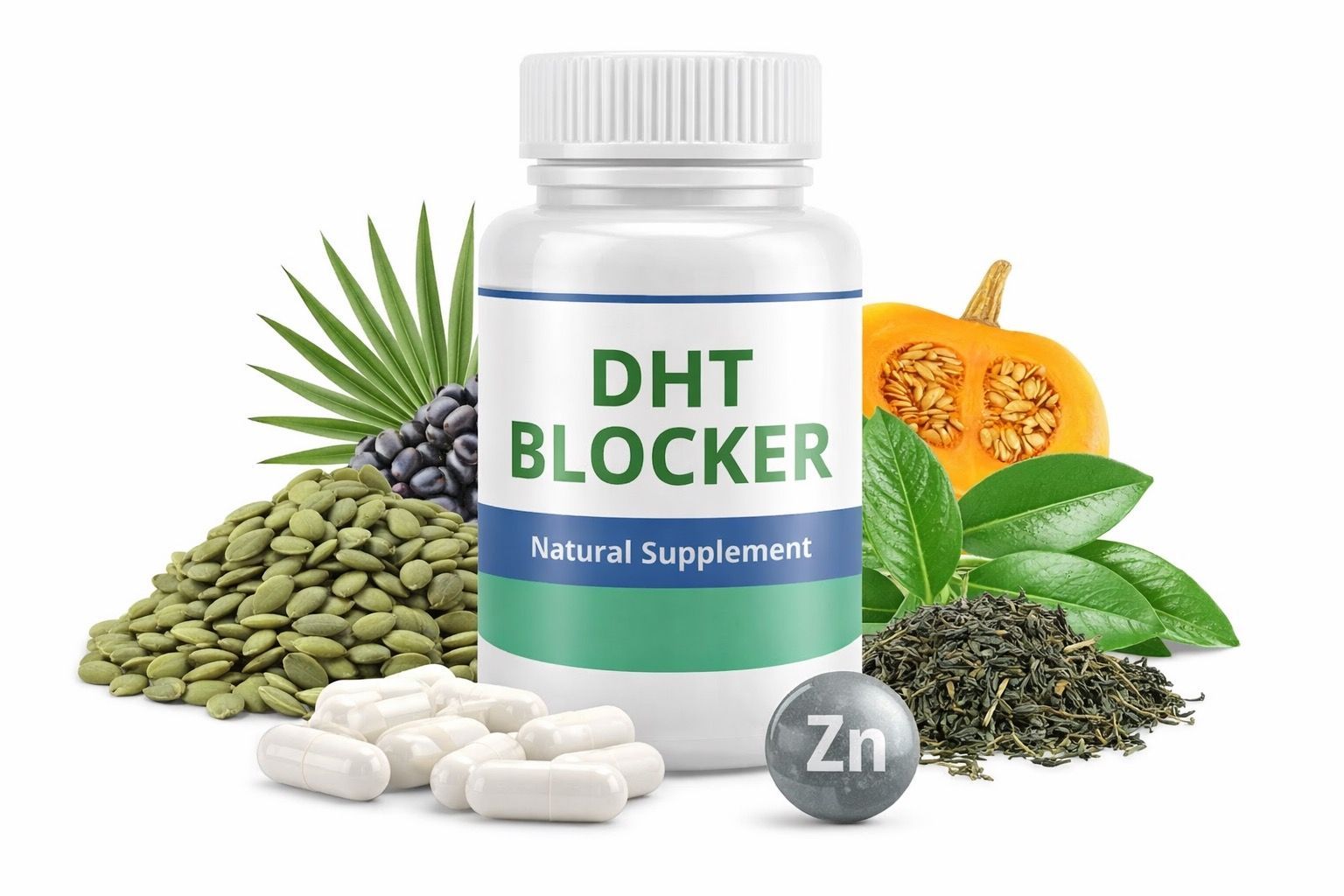
Hair loss is a common concern for men experiencing thinning hair or a receding hairline. One of the most discussed causes of hair loss is dihydrotestosterone (DHT), a hormone derived from testosterone that plays a central role in male pattern baldness. As awareness grows, many people search for “natural DHT blockers” as a non-medical solution.
But do natural DHT blockers really work — or are they misunderstood?
What Is DHT and Why Does It Cause Hair Loss?
DHT binds to hair follicles in genetically susceptible individuals, causing them to shrink over time. This process, known as follicular miniaturisation, leads to thinner hair and eventually permanent hair loss.
Blocking or reducing DHT is one of the few scientifically recognised ways to slow androgenetic alopecia. or patients experiencing ongoing thinning, exploring professional hair loss treatments in Manchester can help determine the most effective next step.
Common Natural DHT Blockers
Some commonly discussed natural options include:
- Saw palmetto
- Pumpkin seed oil
- Green tea extract
- Zinc
- Biotin and vitamin-based supplements
These substances are believed to have mild anti-androgenic effects, but their strength is significantly lower than clinically proven treatments.
Do Natural DHT Blockers Actually Stop Hair Loss?
The honest answer: they may help slow very early-stage hair loss, but they do not stop or reverse advanced hair loss.
Natural DHT blockers:
- May slightly reduce shedding
- May support hair health
- Do not regrow lost follicles
- Do not replace medical or surgical treatments
They are best seen as supportive, not curative.
When Natural Options Are Not Enough
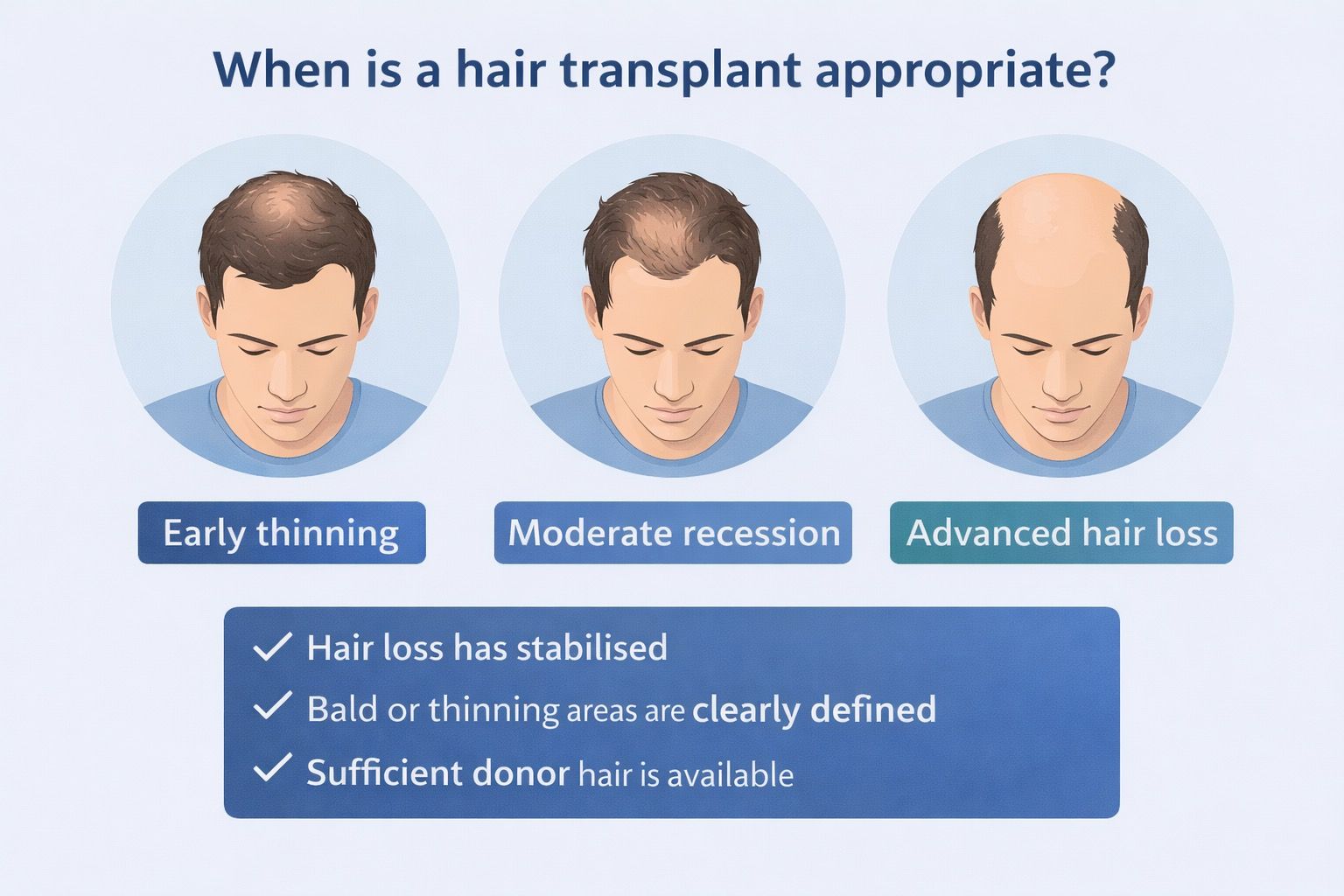
If hair loss has progressed to visible thinning, receding hairlines, or bald areas, natural supplements alone are unlikely to provide meaningful improvement.
At this stage, patients often require:
- Medical stabilisation
- Or surgical restoration such as a hair transplant in Manchester
You can learn more about all available options in our guide to hair loss treatments in Manchester.
Understanding hair transplant costs in Manchester allows patients to plan realistically and avoid misleading expectations.
Final Thoughts
Natural DHT blockers are not scams — but they are also not miracle cures. Understanding their limitations helps patients avoid unrealistic expectations and delays in effective treatment.
Frequently Asked Questions About Natural DHT Blockers
Do natural DHT blockers regrow lost hair?
No. Natural DHT blockers may help slow early hair thinning, but they do not regrow hair in areas where follicles are no longer active.
Are natural DHT blockers safe to use?
Most supplements are generally safe when used correctly, but some may interact with medications or cause side effects. Professional advice is recommended before starting any supplement.
How long do natural DHT blockers take to work?
If any benefit occurs, it is usually gradual and may take several months. Results vary significantly between individuals.
Are natural DHT blockers as effective as medical treatments?
No. Medical treatments and surgical options have far stronger clinical evidence than natural supplements.
When should I consider a hair transplant instead?
If hair loss has progressed to visible thinning or bald areas, a professional assessment can determine whether surgical treatment is appropriate.