Why Consider Hair Transplants for Lasting Confidence
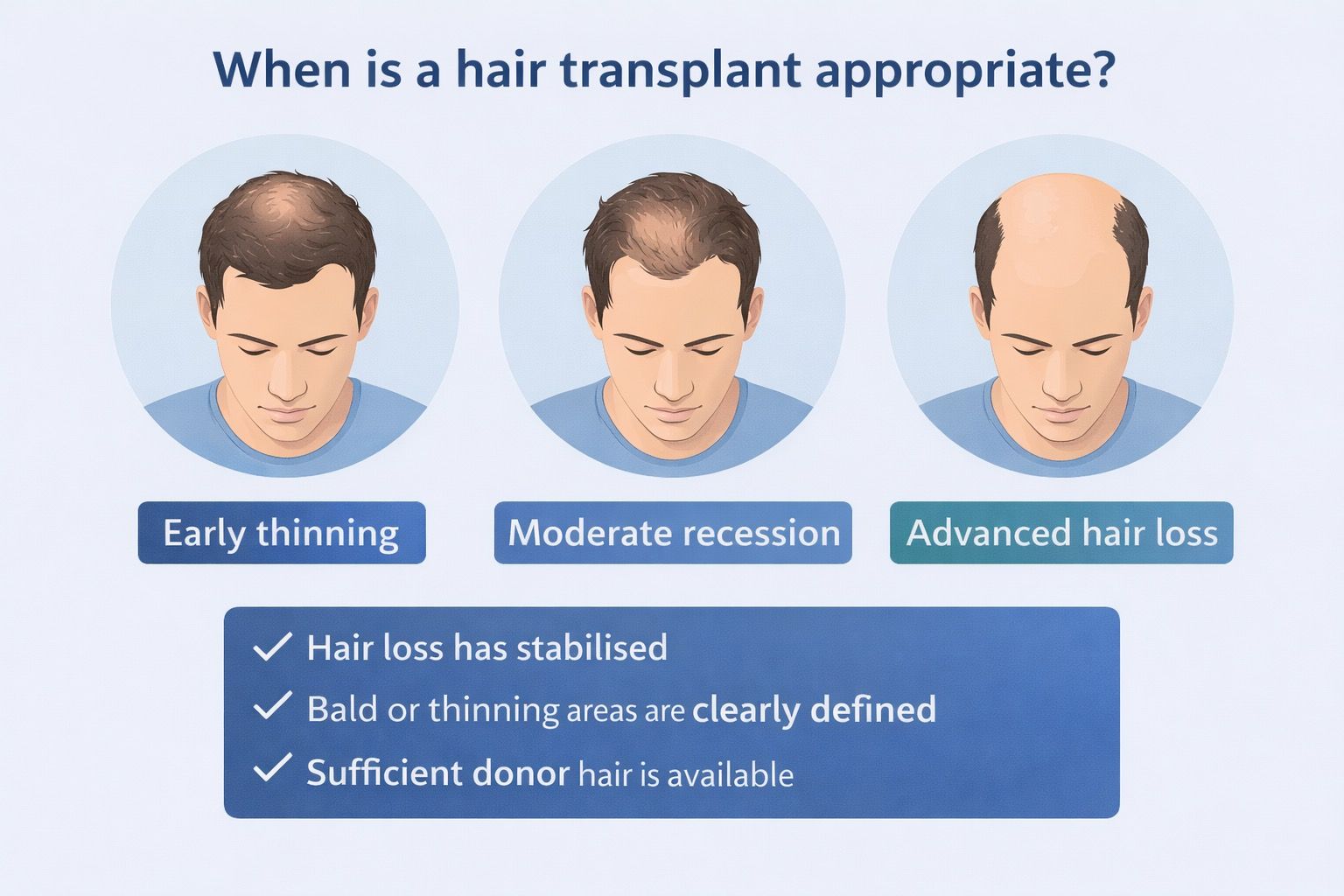
Losing hair can chip away at your confidence, especially when the mirror reflects more scalp than you remember from just a few years ago. For many adults in Manchester battling hereditary hair loss, understanding what hair transplants really involve becomes a turning point in reclaiming a sense of self. With advances in modern techniques and a range of surgical options, you can achieve permanent, natural-looking results tailored to your needs and lifestyle.
Table of Contents
Key Takeaways
| Point | Details |
|---|---|
| Surgical Procedures | Hair transplants are primarily conducted using Follicular Unit Extraction (FUE) or Follicular Unit Transplantation (FUT), each with distinct advantages regarding scarring and graft yield. |
| Recovery Timeline | Expect initial shedding of transplanted hair within weeks, with visible growth beginning around 3-4 months and full results evident after 12-18 months. |
| Permanence | Transplanted hair is permanent and behaves like natural hair, requiring no special maintenance post-surgery. |
| Consideration of Alternatives | Explore medical treatments and cosmetic options for early-stage hair loss, but keep in mind that hair transplants offer the only permanent solution for extensive baldness. |
What Hair Transplants Really Involve
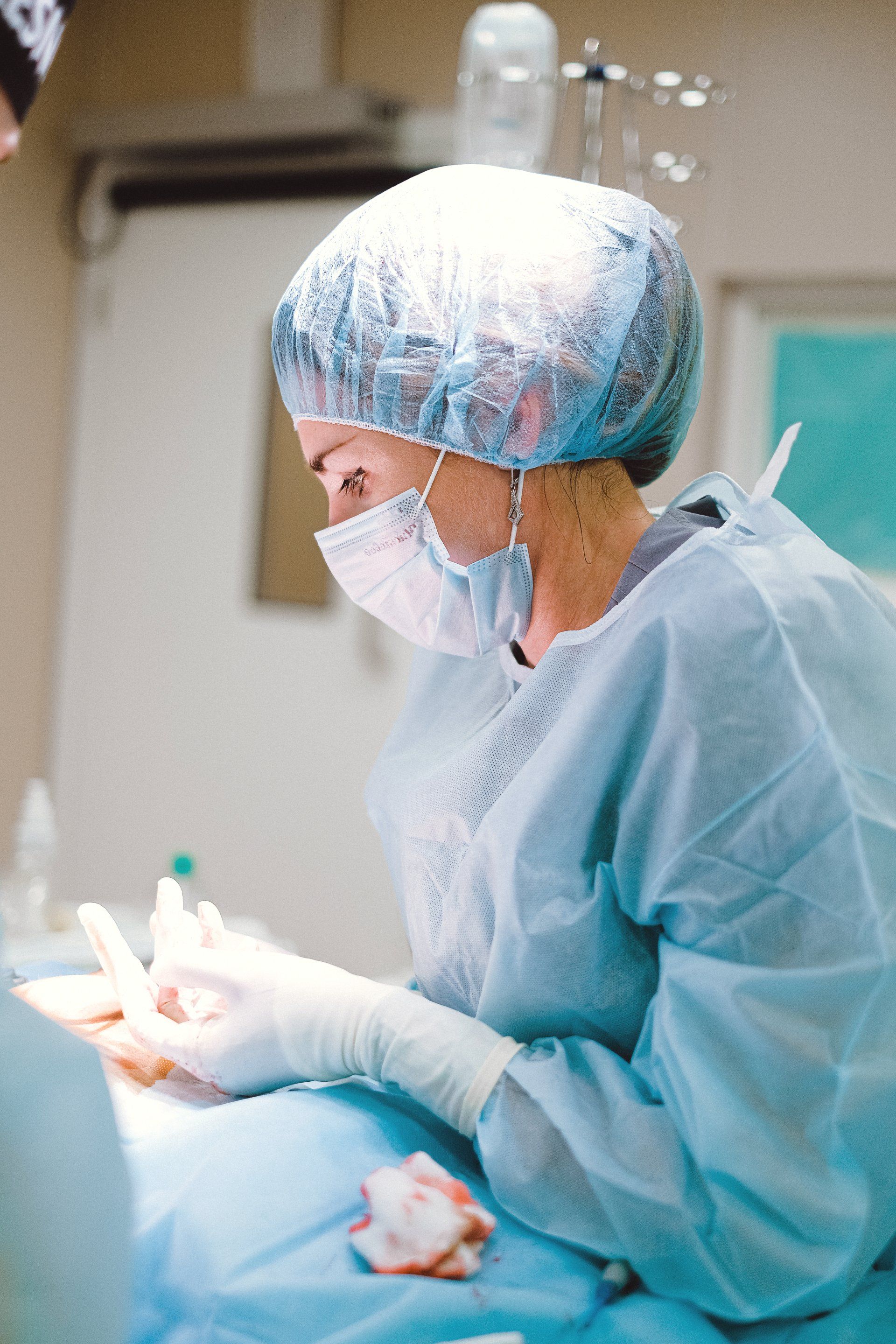
A hair transplant is a surgical procedure that moves healthy hair follicles from areas where hair grows thickly to regions experiencing thinning or baldness. The procedure is performed under local anesthetic with sedation, meaning you remain awake but completely pain-free throughout.
The entire process typically takes a full day, though larger areas of hair loss may require multiple sessions spaced several months apart. Understanding what happens during and after the procedure helps you prepare mentally and physically for the experience.
The Two Main Surgical Approaches
There are two primary techniques used in modern hair transplant surgery, each with distinct advantages:
Follicular Unit Extraction (FUE) involves extracting individual hair follicles directly from the donor area, typically the back of your head. Each follicle is carefully removed using specialized equipment, leaving minimal scarring that fades naturally over time.
Follicular Unit Transplantation (FUT) , also called strip surgery, involves removing a thin strip of scalp containing multiple hair follicles from the donor area. This strip is then carefully divided into individual grafts for transplantation. The linear scar from FUT is generally hidden by surrounding hair, even when worn short.
Both approaches are effective. FUE hair transplant procedures are popular for patients concerned about visible scarring, while FUT offers excellent graft yields for those requiring larger numbers of transplants.
What Happens During Your Procedure
- Preparation : Your scalp is cleaned, and local anesthetic is injected into both donor and recipient areas
- Extraction : Individual follicles or a strip is carefully removed from the back of your head
- Graft preparation : Extracted follicles are sorted and prepared under magnification
- Implantation : Tiny incisions are made in the balding area, and grafts are carefully positioned
- Recovery begins : A protective dressing is applied, and you’re sent home for aftercare
Most patients experience minimal discomfort during the procedure itself, though some feel mild pressure or hear buzzing sounds from the extraction tools.
The entire appointment typically lasts 4-8 hours depending on the number of grafts needed. You’ll remain seated, so bring a pillow for comfort, and arrange transportation home since you cannot drive after sedation.
Scarring and Healing Reality
Scarring is unavoidable with any hair transplant method. With FUE, you get numerous tiny dots in the donor area that fade significantly within weeks. With FUT, a single linear scar forms along the strip removal site.
Both types of scars are generally concealed unless your hair is extremely short. For Manchester residents considering this procedure, understanding clinic credentials and aftercare arrangements helps ensure proper wound care that minimizes visible scarring.
Long-Term Results and Timeline
Transplanted hair doesn’t grow immediately. You’ll see initial growth around 3-4 months post-procedure, with full results typically visible 12-18 months later. The transplanted hair is permanent because it comes from genetically resistant areas of your scalp.
This permanence is why hair transplants offer lasting confidence. Unlike topical treatments or medications you’d use indefinitely, transplanted hair behaves like native hair and requires no special maintenance beyond normal grooming.
Your Body’s Role in Success
Your body absorbs the transplanted grafts during the first few days, which is completely normal. Grafts that survive this critical period will establish permanent blood supply and grow for life. Generally, 85-90% of transplanted grafts survive and grow successfully.
Pro tip: Schedule your consultation when you can take 7-10 days off work or social commitments, as visible scabbing and swelling during early healing may make you feel self-conscious, even though healing is progressing normally.
Types of Hair Transplant Procedures Explained
While FUE and FUT remain the two dominant hair transplant methods, several specialized variations exist to address different baldness patterns and patient preferences. Understanding these options helps you choose the approach that best fits your needs and lifestyle.
The core difference between all procedures comes down to how grafts are extracted and implanted. Some techniques prioritize minimizing visible scarring, while others maximize graft yield for extensive hair loss. Your surgeon will recommend the best option based on your hair loss pattern, scalp laxity, and aesthetic goals.
Follicular Unit Extraction (FUE) and Its Variations
FUE remains the most popular choice for patients concerned about scarring. Individual hair follicles are extracted directly from the scalp using a specialized motorized punch, typically 0.8-1.0 millimeters in diameter. This creates dozens of tiny puncture marks that fade within weeks.
Several FUE variations exist:
- Traditional motorized FUE : Uses a rotary or pneumatic device to extract follicles, offering speed and consistency
- Robotic-assisted FUE : Employs AI-guided extraction for enhanced precision and consistency across large sessions
- Manual FUE : Performed with handheld instruments, allowing for subjective judgment about follicle selection
FUE works well if you prefer wearing your hair very short or shaved, as the donor area scars are virtually undetectable at any length.
Follicular Unit Transplantation (FUT) Advantages
FUT involves removing a thin strip of scalp from the back of your head, typically 1-1.5 centimeters wide. Surgeons then carefully dissect this strip under magnification into individual grafts containing 1 to 4 hairs. The donor scar forms a linear line that naturally hides under surrounding hair.
FUT offers significant advantages for extensive hair loss. You can transplant 1,500-3,000 grafts in a single session, making it ideal if you need substantial coverage. The procedure also tends to be more cost-effective than FUE since fewer instruments and shorter procedure time are required.
Direct Hair Implantation (DHI) and Crown-Specific Approaches
DHI hair transplants represent an advanced extraction and implantation technique that uses a specialized pen-like device. Follicles are extracted and implanted without creating recipient sites beforehand, offering exceptional control over graft depth, angle, and direction. This approach is particularly valuable for crown hair transplants , where precise directional placement creates natural-looking results in this highly visible area.
The crown presents unique challenges because hair naturally grows in multiple directions. DHI’s precision allows surgeons to mimic these natural patterns perfectly, producing results that look completely undetectable even under bright light.
Comparing Your Options at a Glance
| Method | Scarring | Graft Yield | Recovery Time | Best For |
|---|---|---|---|---|
| FUE | Tiny dots (fade in weeks) | 500-1,500 per session | 7-10 days | Short hairstyles, minimal scarring concern |
| FUT | Single linear scar | 1,500-3,000 per session | 10-14 days | Extensive loss, cost-conscious patients |
| DHI | Minimal scarring | 1,000-2,000 per session | 7-10 days | Crown coverage, naturalness priority |
Which Procedure Is Right for You?
Your ideal procedure depends on three factors: how much hair loss you have, your preferred hairstyle length, and your budget. Patients with mild to moderate loss and plans to wear hair longer often prefer FUT because it delivers excellent results cost-effectively. Those wanting to wear hair very short choose FUE or DHI for invisible scarring.
The most important factor is choosing a properly trained and registered surgeon who performs your chosen procedure regularly. Surgical skill matters more than the technique itself—a skilled surgeon produces better results regardless of the method.
Pro tip: Ask your surgeon which procedure they personally perform most frequently and why they recommend it for your specific case; surgeons typically excel with their preferred technique and can speak genuinely about its advantages.
Benefits and Results You Can Expect
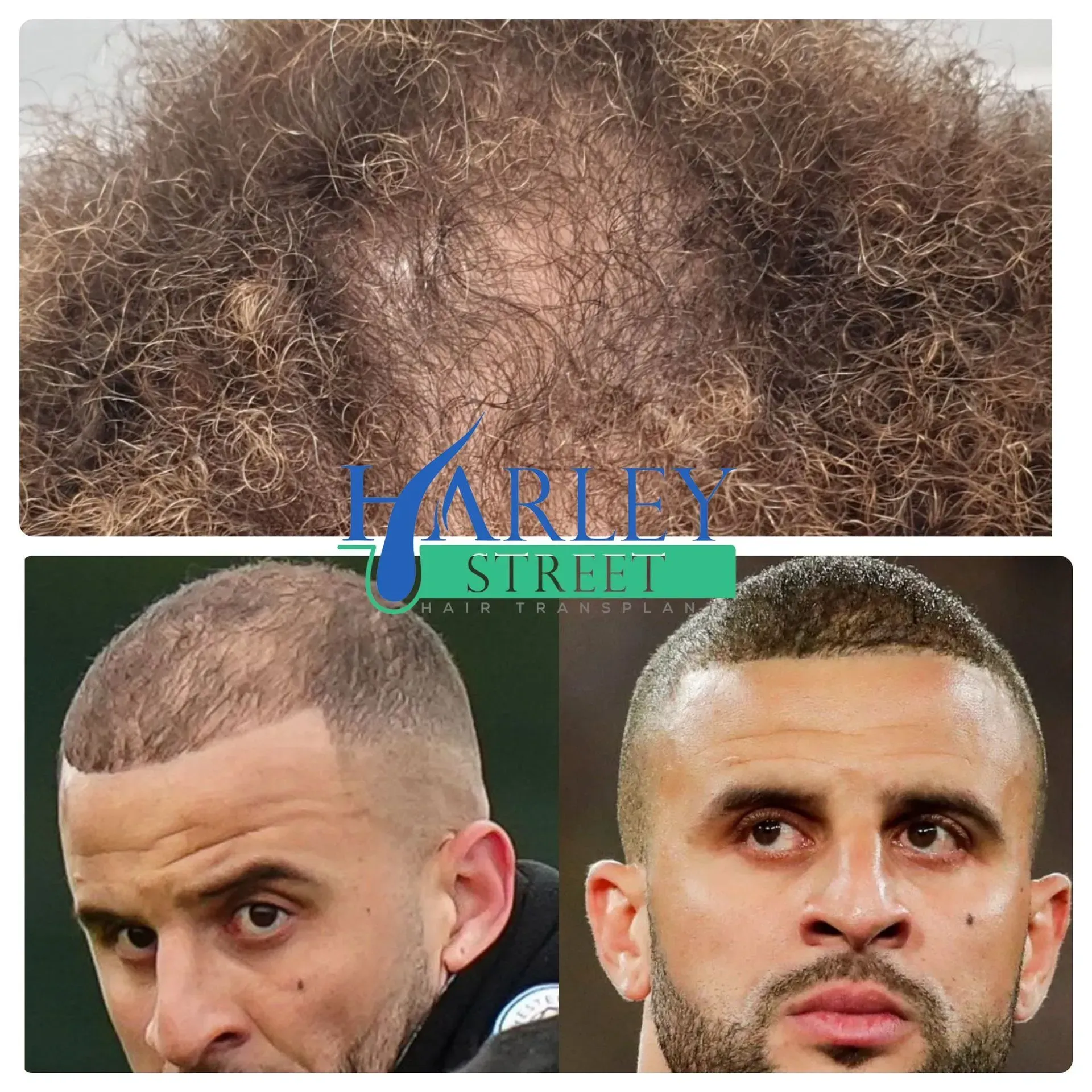
Hair transplants deliver something most hair loss treatments cannot: permanent, natural-looking results. Unlike medications you take indefinitely or wigs you manage daily, transplanted hair becomes part of your scalp and behaves exactly like your original hair.
For men and women in Manchester experiencing genetic hair loss, this permanence transforms not just appearance but confidence. You regain the ability to wear hairstyles without worrying about concealment, visit the beach without anxiety, and feel like yourself again.
The Confidence Transformation
The psychological impact of hair restoration extends far beyond aesthetics. Studies consistently show that patients report significant improvements in self-esteem, social interaction, and professional confidence following successful transplants.
Many patients describe feeling “invisible” during their hair loss journey. Colleagues seemed to treat them differently. Dating felt complicated. Even routine activities like gym visits or beach outings became anxiety-inducing. Hair transplants eliminate these barriers.
Restoring your natural hairline often feels like reclaiming a part of your identity that genetic hair loss temporarily took away.
Understanding the Timeline for Results
Here’s what matters: hair transplants offer permanent solutions to hereditary baldness , but patience is essential. Transplanted hair doesn’t immediately behave like native hair.
The growth timeline follows this pattern:
- Weeks 1-3 : Transplanted hairs shed completely (this is normal and expected)
- Months 2-3 : New hairs begin sprouting from transplanted follicles
- Months 4-6 : Visible hair coverage emerges, though hair appears fine and thin
- Months 8-12 : Hair thickens and darkens significantly
- Months 12-18 : Full, mature results with natural texture and density
This extended timeline catches some patients off guard. You won’t see dramatic transformation after three months. By six months, however, visible improvement becomes obvious to others. At 12 months, results appear completely natural.
Real-World Results and Coverage
Most patients achieve 60-70% of their desired coverage in a single session. For extensive hair loss affecting large areas, multiple sessions spaced 6-9 months apart provide optimal results. Each session compounds the previous results, gradually building natural-looking density.
The number of grafts transplanted directly determines coverage:
- 500-1,000 grafts : Subtle improvements, ideal for receding hairlines
- 1,000-2,000 grafts : Noticeable restoration, good for mild to moderate loss
- 2,000-3,000 grafts : Significant density, suitable for extensive loss
- 3,000+ grafts : Dramatic transformation, typically requiring multiple sessions
Permanence That Actually Lasts
Transplanted hair comes from genetically resistant areas of your scalp, typically the back and sides. These follicles maintain their original characteristics permanently, continuing to grow throughout your life.
Unlike hair loss medications requiring continuous use, transplanted hair never reverts to the conditions that caused your original hair loss. You’ve essentially moved hair from one area to another—it won’t fall out again.
This permanence makes hair transplants cost-effective long-term. While the upfront investment seems significant, you’re purchasing a lifetime of results, not temporary coverage requiring ongoing treatment.
The Reality of Maintenance
Transplanted hair requires no special care. Wash it normally, style it as you wish, and let it grow. No medications. No special shampoos. No lifestyle restrictions.
You can swim, exercise, wear hats, and live completely normally within weeks of your procedure. Transplanted hair behaves identically to your natural hair—because it is your natural hair.
Pro tip: Photograph your hairline and crown from multiple angles before your procedure so you can objectively track progress during the slower growth months when changes feel subtle to the naked eye.
Understanding Risks, Recovery, and Costs
Hair transplants are generally safe surgical procedures when performed by qualified surgeons. Still, like any surgery, they carry certain risks worth understanding before committing. Being informed helps you make confident decisions and recognize normal healing versus genuine complications.
The investment is significant, but so are the long-term benefits. Understanding realistic costs and what influences pricing helps you budget properly and avoid surprise expenses later.
Potential Risks and How They’re Minimized
Hair transplants carry certain risks including infection, scarring, and unnatural hair growth patterns, though serious complications remain uncommon with experienced surgeons. Most “risks” are temporary and resolve within weeks.
Common temporary concerns include:
- Swelling and tenderness : Peaks at days 2-3, resolves within one week
- Temporary numbness : Affects scalp sensation, typically fades within months
- Shock loss : Existing hairs near transplant area shed temporarily (they regrow)
- Itching : Normal healing response, manageable with prescribed care
Rare but serious complications include infection and poor graft survival. These occur almost exclusively when aftercare instructions are ignored or when surgeons lack proper training and sterile facilities.
Choosing a surgeon with extensive experience and excellent safety records dramatically reduces risk. Your clinic’s registration and credentials matter tremendously.
Recovery Timeline and Reality
Most patients return to normal activities within 7-10 days. You won’t look “normal” during this period—swelling and visible scabs are obvious. Plan accordingly if you have important meetings or social events.
The recovery progression looks like this:
- Day 1-2 : Maximum swelling and discomfort, rest at home
- Days 3-5 : Swelling peaks, visible scabs form, avoid public activities
- Days 6-10 : Swelling decreases noticeably, scabs remain visible
- Weeks 2-3 : Scabs shed gradually, redness fades, return to work gradually
- Weeks 4+ : Visible healing mostly complete, transplant area looks relatively normal
You cannot wash the transplant area for 48 hours post-procedure. After that, gentle washing becomes part of healing. You’ll receive specific aftercare instructions covering washing technique, activity restrictions, and medication application.
Here’s a summary of common hair transplant recovery milestones for easier planning:
| Stage | Typical Duration | Main Symptoms | Activities Allowed |
|---|---|---|---|
| Immediate post-op | 1-2 days | Swelling, discomfort | Rest only |
| Early healing | 3-5 days | Scabs, peak swelling | Avoid public outings |
| Visible recovery | 6-10 days | Scabs, fading redness | Gentle home activities |
| Returning to routine | Weeks 2-3 | Scabs shed, redness subsides | Work, light exercise |
| Full healing | Week 4+ | Mostly healed appearance | Normal life resumed |
Investment and Cost Factors
Hair transplant costs vary dramatically based on three primary factors:
Number of grafts needed : Prices typically range from £2 to £10 per graft. A 1,500-graft session costs £3,000-£15,000. Larger sessions cost proportionally more.
Procedure type selected : FUE generally costs 20-30% more than FUT due to longer procedure time and specialized equipment. DHI techniques typically cost more than both standard methods.
Surgeon expertise and clinic location : Manchester clinics offer competitive pricing compared to London and other major cities. Experienced surgeons may charge premium rates, but their skill directly impacts results quality.
Costs typically include the surgical procedure, initial consultation, and basic aftercare. Some clinics bundle follow-up sessions; others charge separately. Always clarify the total investment before proceeding.
Making the Financial Decision
Consider the long-term value proposition. A £5,000 procedure delivering permanent results costs less than using hair loss medications continuously for 20 years. You’re purchasing permanence, not temporary coverage.
Many Manchester clinics offer consultation appointments to discuss your specific needs and provide accurate pricing. This consultation helps you understand the exact investment required before making financial commitments.
Pro tip: Get detailed cost quotes from multiple clinics in writing, asking specifically what’s included and what costs extra; compare total investment, not just per-graft pricing, since different clinics bundle services differently.
Alternatives to Hair Transplant Surgery
Hair transplants aren’t the only solution for hair loss. Several medical treatments, cosmetic options, and lifestyle approaches can slow hair loss or improve appearance. Understanding these alternatives helps you make informed decisions about which path suits your situation best.
The right choice depends on your hair loss type, extent of loss, budget, and willingness to commit to ongoing treatment. Some alternatives work well for mild hair loss; others provide temporary solutions rather than permanent restoration.
Medical Treatments That Address Hair Loss
Medical treatments such as finasteride and minoxidil may help slow hair loss and stimulate some hair regrowth , particularly for male pattern baldness. These medications work differently and can be used individually or together for better results.
Minoxidil (Rogaine) is a topical treatment applied directly to your scalp twice daily. It stimulates blood flow to hair follicles, potentially regrowing some lost hair. Results typically appear after 4-6 months of consistent use, and hair loss resumes if you stop using it.
Finasteride (Propecia) is an oral medication taken daily that blocks the hormone responsible for genetic hair loss. Studies show it slows hair loss in 80-90% of users and regrows some hair in up to 65% of cases. Like minoxidil, you must continue taking it indefinitely to maintain results.
Medical treatments work best for early-stage hair loss and male pattern baldness; they’re significantly less effective for extensive baldness or other hair loss types.
Cosmetic Solutions and Camouflage
For those seeking immediate visual improvement without medications or surgery, cosmetic options exist. High-quality wigs and hairpieces provide complete coverage and natural appearance. Many are custom-fitted for comfort and durability, allowing you to wear them throughout daily activities.
Scalp micropigmentation (SMP) is a newer option that uses tattooing techniques to create the appearance of hair follicles on your scalp. It works particularly well for buzzed or shaved hairstyles, creating the illusion of fuller density. Results are permanent but don’t actually restore hair growth.
Other cosmetic approaches include:
- Hair fibers : Temporary sprays that attach to existing hair, adding density visually
- Hats and head coverings : Simple, practical solutions for daily wear
- Hairstyling techniques : Strategic cuts and styles that work with your existing hair pattern
- Scalp camouflage : Temporary makeup products that color the scalp
Advanced Non-Surgical Treatments
Plasma-rich platelet (PRP) therapy and low-level laser therapy are emerging non-surgical options. PRP involves injecting your own concentrated platelets into the scalp to stimulate hair growth. Low-level laser treatments use specific light wavelengths to encourage hair follicle activity.
These treatments show promise in clinical studies but require ongoing sessions and produce modest results compared to hair transplants. They work best for early hair loss rather than extensive baldness.
Why Hair Transplants Differ from Alternatives
Unlike medications requiring lifelong commitment or cosmetic solutions needing daily application, hair transplants provide permanent, surgical restoration of actual hair growth. No daily medications. No constant camouflage. Just natural-looking hair that grows permanently.
Alternatives make sense if you prefer non-surgical approaches or have early-stage hair loss. For extensive genetic baldness affecting confidence and self-esteem, hair transplants offer the only permanent solution.
To help compare hair loss solutions, here’s a concise feature comparison:
| Solution | Permanence | Ongoing Commitment | Typical Effectiveness |
|---|---|---|---|
| Hair transplant | Permanent | One-time surgery | High, for most types |
| Medications | Temporary | Daily use required | Moderate, early-stage loss |
| Cosmetic options | Temporary | Daily styling/application | Immediate, visual improvement |
| PRP/laser | Temporary | Multiple sessions needed | Mild, early intervention |
Pro tip: If you’re considering medical treatments, start with finasteride first since it addresses the root cause of genetic hair loss; add minoxidil after two months if results aren’t satisfactory, giving your body adequate time to respond to either treatment.
Take the First Step Toward Lasting Confidence With Expert Hair Restoration
If you are facing the emotional challenge of hair loss and seeking a permanent solution that truly restores your natural look and self-esteem, understanding hair transplant options like FUE, FUT, and DHI is essential. This article highlights the journey from initial hair shedding to full regrowth and the critical role your surgeon’s skill plays in achieving lasting results. At Manchester Hair Transplant Clinics, we focus on personalized care and advanced techniques to address common concerns such as scarring, recovery, and natural hairline restoration.
Discover how our expert team and state-of-the-art treatments can help you reclaim your confidence with minimal downtime and natural outcomes. Don’t wait to experience the transformation that hundreds of patients in Manchester already trust. Visit our landing page to learn about our full range of surgical and non-surgical options, meet our experienced surgeons, and book your private consultation today. Break free from the anxiety of hair loss and take control of your appearance now with safe and effective solutions at Manchester Hair Transplant Clinics.
Frequently Asked Questions
What is a hair transplant?
A hair transplant is a surgical procedure that involves moving healthy hair follicles from areas with dense hair growth to thinning or bald areas on the scalp, helping to restore a full hairline.
How long does it take to see results from a hair transplant?
Initial hair growth typically starts around 3-4 months after the procedure, with full results generally visible between 12-18 months.
What are the main types of hair transplant procedures?
The two primary techniques are Follicular Unit Extraction (FUE), which extracts individual follicles, and Follicular Unit Transplantation (FUT), which involves removing a strip of scalp for grafting.
Are hair transplants permanent?
Yes, hair transplants provide long-lasting results because the transplanted hair comes from genetically resistant areas, meaning it will continue to grow for life without the need for ongoing treatments.
Recommended
- Transgender Hair Transplants | Harley Street Hair Transplants Manchester | Manchester
- Follicular Unit Transplant (FUT) | Harley Street Hair Transplants Manchester | Manchester
- Beard Hair Transplants | Harley Street Hair Transplants Manchester | Manchester UK
- Hair Transplants | Harley Street Hair Transplants Manchester | Manchester